Cross-Game Feeding System for Digital Pets

Jul 29, 2025 By

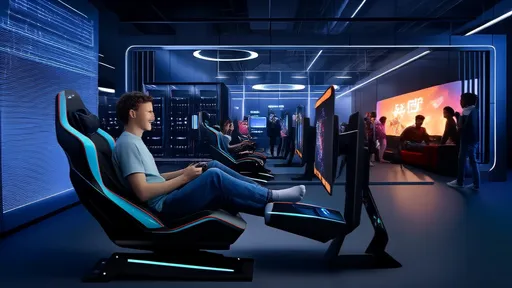
The gaming industry has witnessed a fascinating evolution in recent years, with developers constantly pushing the boundaries of what virtual experiences can offer. One of the most intriguing developments is the emergence of cross-game electronic pet feeding systems. This innovative concept allows players to nurture and interact with digital pets across multiple gaming platforms, creating a seamless and immersive experience that transcends individual game boundaries.

The concept of electronic pets is not new, dating back to the late 1990s when devices like Tamagotchi took the world by storm. However, the integration of these virtual companions into a cross-game ecosystem represents a significant leap forward. Players can now feed, train, and care for their digital pets regardless of which game they're currently playing, as long as the titles are part of the same interconnected network. This system maintains the pet's growth, mood, and needs consistently across all platforms.

What makes this cross-game feeding system particularly remarkable is its technical implementation. Developers have created sophisticated synchronization protocols that ensure pet data remains consistent across different gaming environments. When a player feeds their pet in one game, the effects are immediately reflected in all other connected games. This requires robust cloud infrastructure and real-time data processing capabilities that were unimaginable in the early days of electronic pets.

The psychological impact of these interconnected virtual pets is profound. Unlike traditional in-game companions that exist solely within one title, cross-game pets develop deeper relationships with their owners. Players report feeling more attached to pets that accompany them through various gaming adventures, much like real-life pets that are part of our daily routines across different environments. This emotional connection drives increased player engagement and loyalty to gaming ecosystems that support this feature.

From a design perspective, implementing cross-game pet systems presents unique challenges. Developers must balance consistency with each game's distinct visual style and mechanics. A pet that looks cartoonish in one game might need to appear more realistic in another, while maintaining recognizable features that make it clearly the same creature. The feeding mechanics and interactions must also feel natural within each game's context while preserving the core pet care experience across all platforms.

The business implications of this technology are significant. Gaming companies are discovering that cross-game pets create powerful incentives for players to stay within their ecosystem of titles. When players invest time and emotion into a virtual pet that travels with them across games, they're more likely to continue purchasing games from the same developer or platform. Some companies have even introduced premium pet customization options that carry over between games, creating new revenue streams.

Technical hurdles remain, particularly regarding interoperability between games from different developers. While some major gaming platforms have implemented their own cross-game pet systems, the industry lacks universal standards that would allow pets to move seamlessly between competing ecosystems. This fragmentation limits the potential of the technology, though some forward-thinking companies are beginning to explore partnerships to create more open systems.

The social aspects of cross-game pet feeding add another layer of complexity and opportunity. Players can now interact with each other's pets across different games, creating new forms of social gaming experiences. Imagine feeding a friend's pet while they're offline in a completely different game, or having pets form relationships that persist regardless of which game either player is currently enjoying. These interactions create dynamic social networks centered around virtual pet ownership.

Looking ahead, the potential applications of this technology extend beyond entertainment. Educational games could use persistent virtual pets to motivate consistent learning, with the pet's development tied to the student's progress across multiple educational titles. Fitness apps might incorporate pets that thrive when their owners meet exercise goals across different workout applications. The cross-game pet concept could become a unifying element in various digital experiences.

Ethical considerations are emerging as these systems become more sophisticated. Questions about data privacy, particularly for younger players, and the psychological effects of forming deep attachments to digital entities that span multiple gaming environments need careful examination. Some experts warn about the potential for exploitation through manipulative design that encourages excessive engagement or spending to care for cross-game pets.

The development of cross-game electronic pet feeding systems represents more than just a technical achievement—it signals a shift in how we conceptualize persistence and continuity in digital experiences. As gaming becomes increasingly interconnected, these virtual companions serve as anchors that maintain player identity and investment across diverse virtual worlds. The success of current implementations suggests this is more than a passing trend, but rather the beginning of a new paradigm in interactive entertainment.

For players, the appeal is clear: the joy of nurturing a digital companion that feels more alive because it exists beyond the confines of any single game. For developers, it offers new ways to build lasting engagement and emotional connections with their audiences. As technology continues to advance, we can expect these systems to become more sophisticated, more widespread, and more integral to our digital lives.

Recommend Posts
Game

Cloud Gaming Experience Store Profit Model

By /Jul 29, 2025

The cloud gaming experience store model has emerged as a disruptive force in the gaming industry, blending entertainment with cutting-edge technology. Unlike traditional gaming cafes or console-based setups, these stores leverage high-speed internet and remote servers to deliver premium gaming experiences without requiring expensive hardware. The profitability of such ventures depends on multiple factors, from location selection to subscription models, and understanding these dynamics is crucial for entrepreneurs looking to capitalize on this growing trend.
Game

Gamification of Public Fitness Facilities

By /Jul 29, 2025

The concept of gamified public fitness equipment is revolutionizing urban spaces across the globe. What began as a niche experiment in a handful of forward-thinking cities has blossomed into a full-fledged movement, transforming mundane workout routines into engaging social experiences. These interactive installations merge physical activity with digital feedback systems, creating outdoor gyms that feel more like playgrounds for all ages.
Game

Cyberpunk Scene Neon Light Pollution Control

By /Jul 29, 2025

The neon-drenched streets of a cyberpunk metropolis are iconic, but beneath the dazzling spectacle lies a growing environmental concern: light pollution. As cities around the world embrace the cyberpunk aesthetic—vibrant neon signs, holographic billboards, and LED-lit skyscrapers—the unintended consequences of this visual extravagance are becoming impossible to ignore. The glow of artificial light spills into the night sky, disrupts ecosystems, and even affects human health. Yet, in the pursuit of futuristic urban appeal, the question remains: can we balance the allure of neon with responsible illumination?
Game

Cross-Game Feeding System for Digital Pets

By /Jul 29, 2025

The gaming industry has witnessed a fascinating evolution in recent years, with developers constantly pushing the boundaries of what virtual experiences can offer. One of the most intriguing developments is the emergence of cross-game electronic pet feeding systems. This innovative concept allows players to nurture and interact with digital pets across multiple gaming platforms, creating a seamless and immersive experience that transcends individual game boundaries.
Game

Breakthrough in AR Puzzle Book Interaction Technology

By /Jul 29, 2025

The world of interactive storytelling has undergone a seismic shift with the latest advancements in augmented reality (AR) puzzle book technology. What began as simple page-turning adventures has now evolved into fully immersive experiences that blur the lines between physical books and digital gameplay. Publishers and tech developers are racing to push the boundaries of this emerging medium, creating unprecedented opportunities for engagement in both educational and entertainment contexts.
Game

Initiative for Establishing Acoustic Design Standards for E-Sports Arenas

By /Jul 29, 2025

The global esports industry has witnessed exponential growth over the past decade, transforming from niche gaming hubs into full-fledged entertainment complexes. As these venues evolve, the need for standardized acoustic design becomes increasingly critical. Unlike traditional sports arenas or concert halls, esports venues present unique challenges that demand specialized solutions. The immersive nature of competitive gaming requires crystal-clear audio for both players and spectators, while preventing disruptive echoes or sound bleed between stations.
Game

Progress on the Global Age Rating Harmonization Initiative

By /Jul 29, 2025

The global entertainment industry has taken significant strides toward standardizing age classification systems across borders, with recent multilateral agreements signaling a potential breakthrough in content rating harmonization. For decades, disparate national rating systems have created confusion for international distributors and audiences alike, particularly in the digital streaming era where content transcends geographical boundaries with a single click.
Game

Application of Micro-expression Capture Technology in Love Games

By /Jul 29, 2025

The gaming industry has always been at the forefront of adopting cutting-edge technologies to create immersive experiences. In recent years, the integration of microexpression capture technology into dating simulation games has opened up new possibilities for emotional realism and player engagement. Unlike traditional games that rely on scripted dialogues and predetermined outcomes, these next-generation titles analyze players' subtle facial cues to adapt narratives in real-time.
Game

Automatic Music Copyright Identification Technology

By /Jul 29, 2025

The music industry has long grappled with the challenges of copyright infringement, unauthorized sampling, and unlicensed distribution. In recent years, audio fingerprinting and acoustic fingerprinting technologies have emerged as powerful tools to identify and protect copyrighted music. These systems analyze the unique characteristics of audio recordings—often referred to as music DNA—to detect matches even when the content has been altered, remixed, or reproduced in low-quality formats.
Game

Enhancing the Accuracy of AI Models for Complaint Handling

By /Jul 29, 2025

The landscape of customer service has undergone a seismic shift in recent years, with artificial intelligence playing an increasingly pivotal role in handling complaints and resolving issues. As businesses strive to enhance efficiency and customer satisfaction, the accuracy of AI models in processing complaints has emerged as a critical factor. This improvement is not merely a technological advancement but a transformative force reshaping how companies interact with their customers.
Game

Eco-Certification for Game Console Recycling

By /Jul 29, 2025

The video game industry has grown exponentially over the past decade, with new consoles, PCs, and mobile devices being released at an unprecedented pace. This rapid technological advancement comes with an often-overlooked environmental consequence: mountains of electronic waste from discarded gaming hardware. As consumers upgrade to the latest PlayStation, Xbox, or gaming rig, the question of what happens to old equipment becomes increasingly critical.
Game

Tactile Map Navigation for the Blind: Gaming

By /Jul 29, 2025

For decades, the concept of accessible gaming has been a frontier that developers have only begun to explore. Among the most overlooked communities in this space are visually impaired individuals, who often find traditional video games inaccessible due to their heavy reliance on visual cues. However, a groundbreaking innovation is changing the landscape: tactile map navigation games designed specifically for blind players. These games utilize physical or digitally rendered tactile interfaces, allowing users to "feel" their way through virtual environments, opening up a world of interactive entertainment that was previously unimaginable.
Game

Age Distribution of Consumer Spending among Retro Server Players

By /Jul 29, 2025

The nostalgic appeal of classic gaming experiences has brought a diverse range of players back to World of Warcraft's Classic Era and Wrath of the Lich King (WOTLK) expansions. Among them, a fascinating demographic trend has emerged: the spending habits and financial engagement of players vary significantly across different age groups. Understanding these patterns provides valuable insights into the economic ecosystem of WoW Classic and the broader retro gaming market.
Game

Brainwave-Controlled Emotional Manipulation Experiment

By /Jul 29, 2025

The intersection of neuroscience and interactive media has reached a fascinating milestone with recent advancements in brainwave-controlled emotional experiments. Researchers are now exploring how neural signals can directly influence the emotional states of digital avatars or game characters, blurring the lines between human psychology and virtual experiences. This emerging field combines EEG technology, machine learning algorithms, and psychological modeling to create responsive systems that adapt to a user's mental state in real time.
Game

Optimization of Dialect Identification Puzzle System

By /Jul 29, 2025

The field of dialect recognition has undergone a remarkable transformation in recent years, particularly in its application to puzzle-solving systems. As technology continues to bridge gaps between linguistic diversity and computational accuracy, optimizing these systems for real-world scenarios has become a priority for researchers and developers alike. The intersection of artificial intelligence, linguistics, and user experience design has created fertile ground for innovations that are reshaping how we interact with language-based challenges.
Game

Simulating Ancient Architectural Structures with Physics Engines

By /Jul 29, 2025

The ancient world has left behind architectural marvels that continue to baffle modern engineers. From the towering pyramids of Egypt to the intricate wooden pagodas of East Asia, these structures have withstood the test of time despite being built without the computational tools available today. Now, researchers are turning to physics engines—software traditionally used for video games and CGI—to unravel the secrets of their durability. By simulating forces like gravity, wind, and seismic activity, scientists are gaining unprecedented insights into how these buildings remain standing centuries after their construction.
Game

Historical Verification of Cold Weapons and Balance in Fantasy Settings

By /Jul 29, 2025

The intersection of historical accuracy and fantastical elements in the portrayal of cold weapons within fantasy settings has long been a subject of fascination for scholars, enthusiasts, and creators alike. Striking a balance between the two requires a nuanced understanding of both the tangible realities of ancient warfare and the boundless possibilities of imaginative world-building. The result is often a rich tapestry that pays homage to the past while embracing the creative liberties of fiction.
Game

Optimization of Pupil Recognition for Anti-Addiction Misjudgment

By /Jul 29, 2025

The integration of pupil recognition technology into anti-addiction systems has emerged as a cutting-edge approach to safeguarding minors from excessive screen time. However, as with any biometric solution, the accuracy of pupil-based monitoring has faced scrutiny due to instances of false positives and unintended restrictions. Recent advancements in adaptive algorithms and multi-modal verification are reshaping how these systems operate, promising to reduce errors while maintaining robust protection.